1960Family
A beginning in São Paulo
Born on 21 March to Milton and Neyde. Brazil will remain the emotional centre of his story.
TAKE YOUR OWN PATH
Follow the years. Trace the journeys. Get closer to the craft. There is more than one way into the story.
1960 — 1994 & BEYOND
Born on 21 March to Milton and Neyde. Brazil will remain the emotional centre of his story.
A teenage kart racer begins building the skills and competitive instincts that will carry him abroad.
A major early success precedes world championship campaigns and runner-up finishes in 1979 and 1980.
British Formula Ford brings unfamiliar circuits and a new life in England.
Senna wins the British Formula Three championship after a close fight with Martin Brundle, then wins Macau.
Thirteenth on the grid to second in the rain-shortened race. The F1 newcomer demands attention.
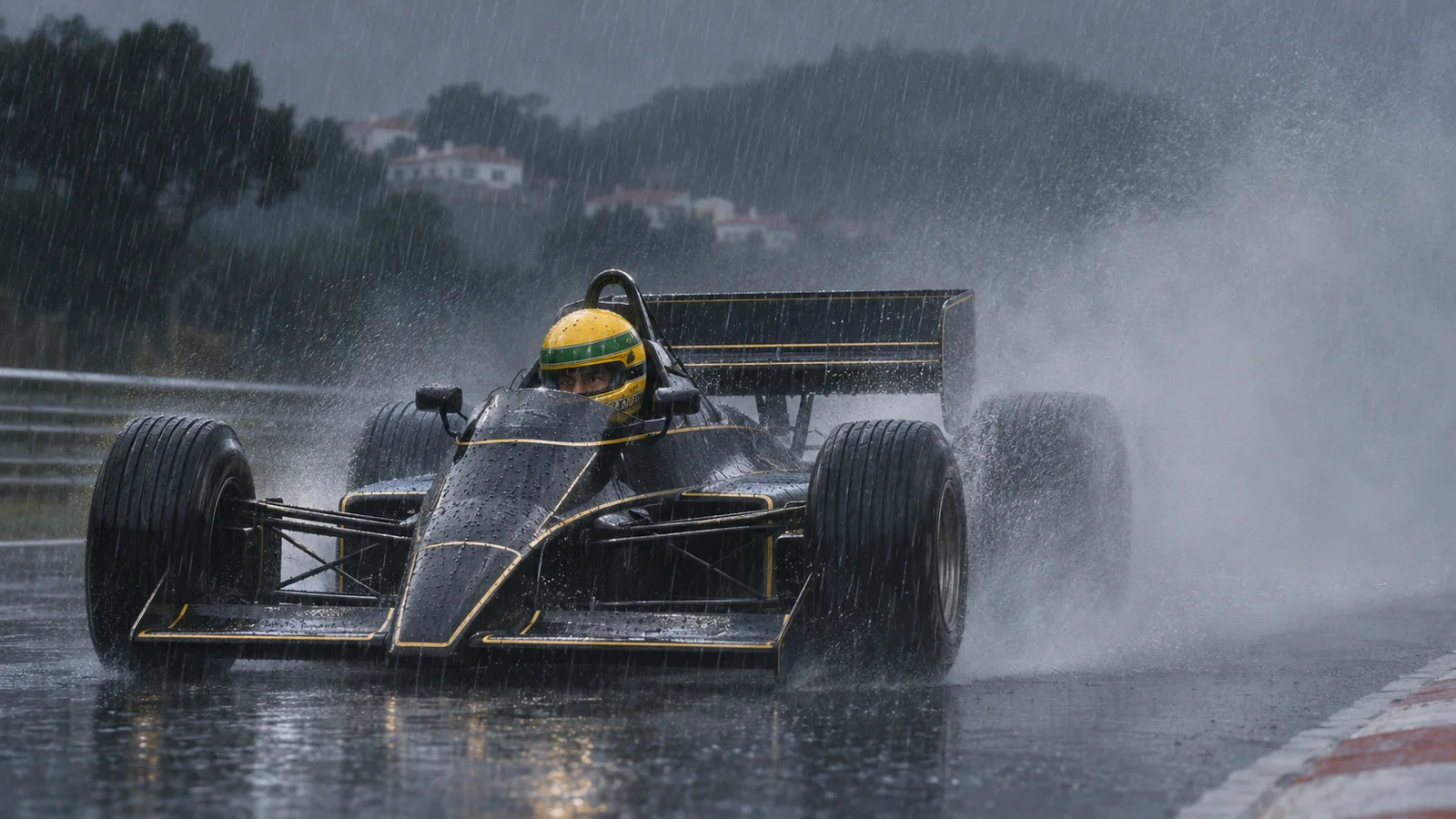
At Estoril, he starts from pole and wins in relentless rain. A second victory follows at Spa.
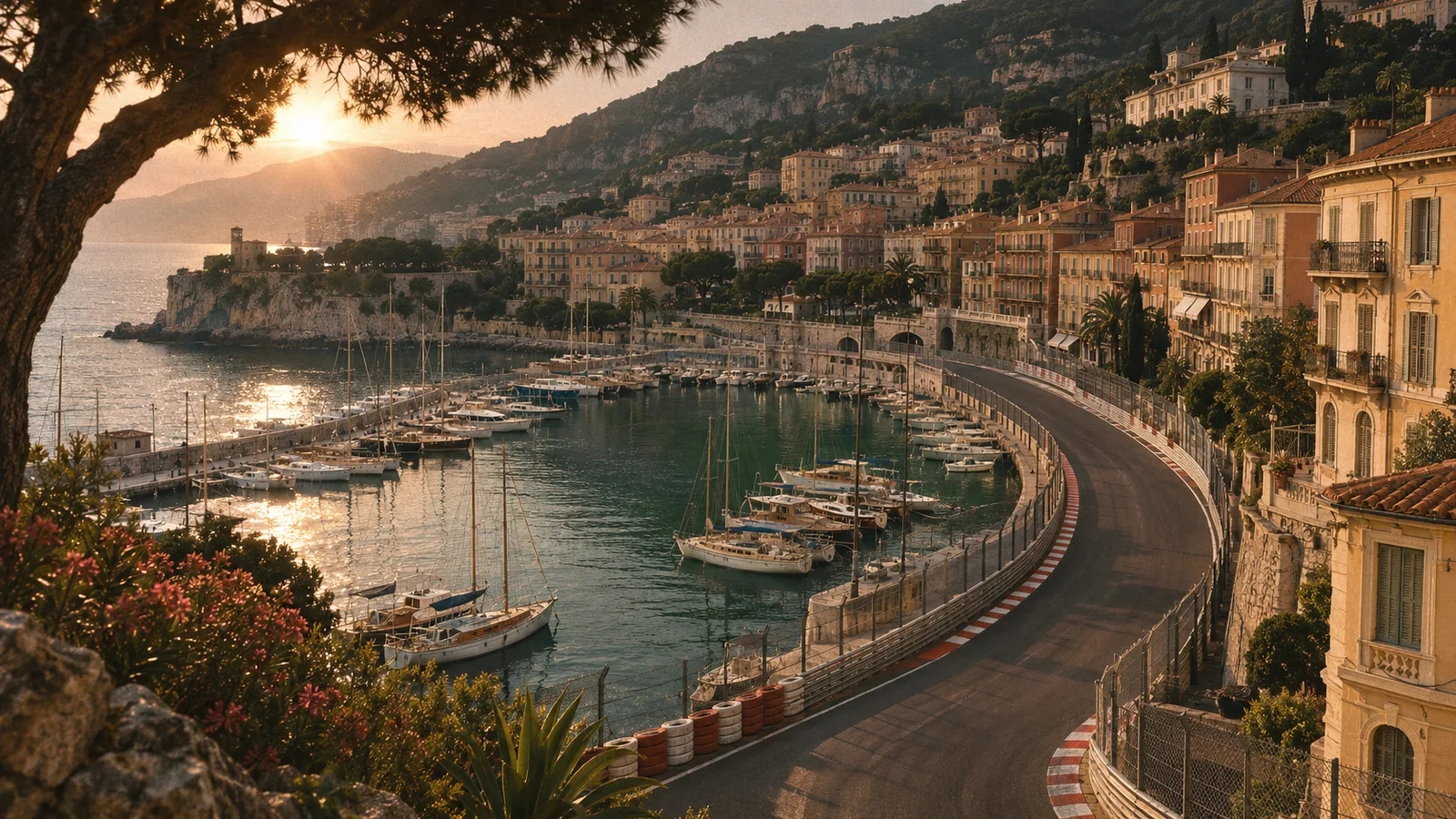
Lotus switches to Honda power. Senna wins Monaco for the first time.
Eight victories and a first world title in the exceptional McLaren-Honda MP4/4.
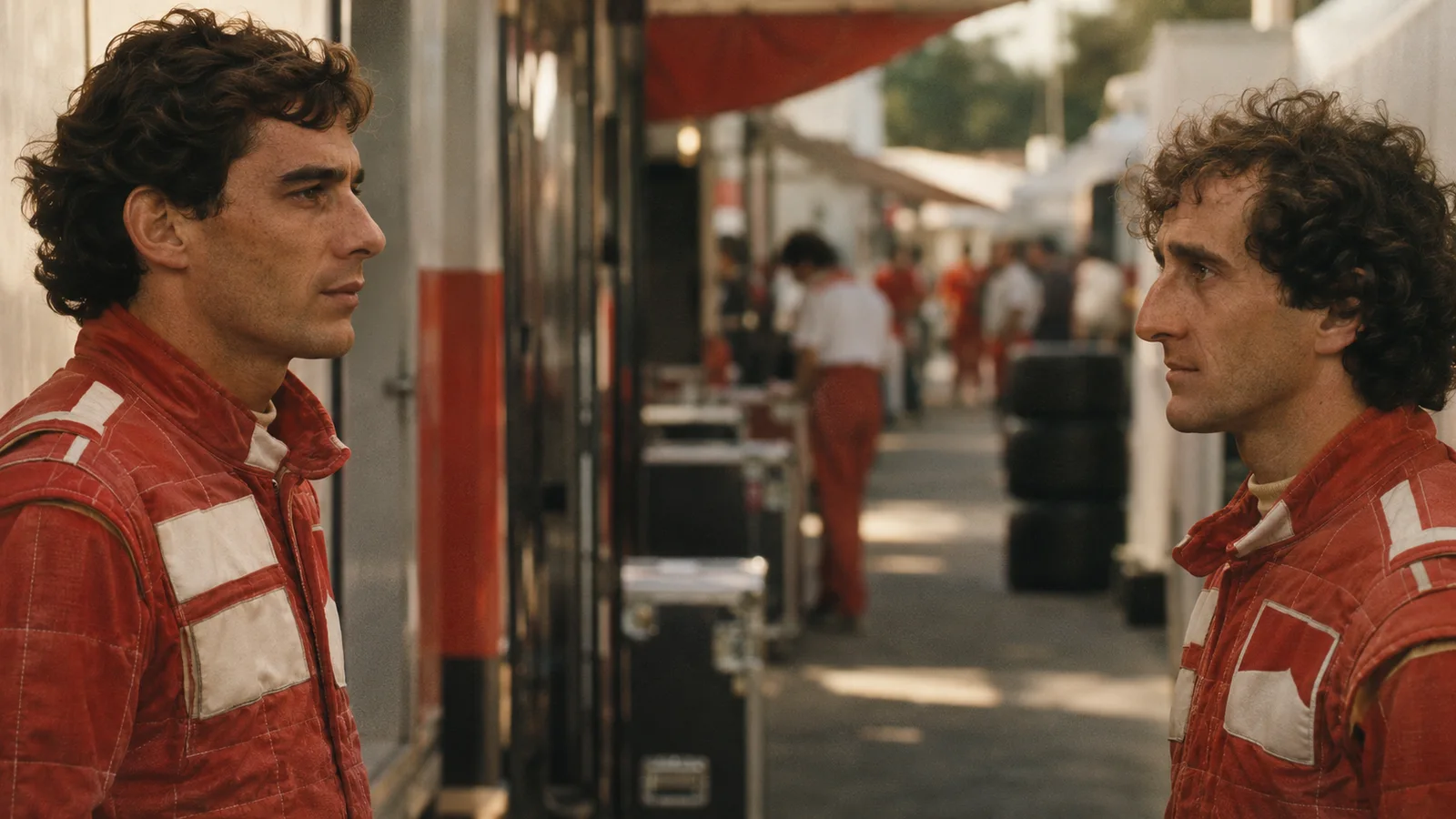
The Suzuka chicane incident ends with Prost becoming champion after Senna’s disqualification.
Another Suzuka collision, now with Prost’s Ferrari, secures Senna’s championship.
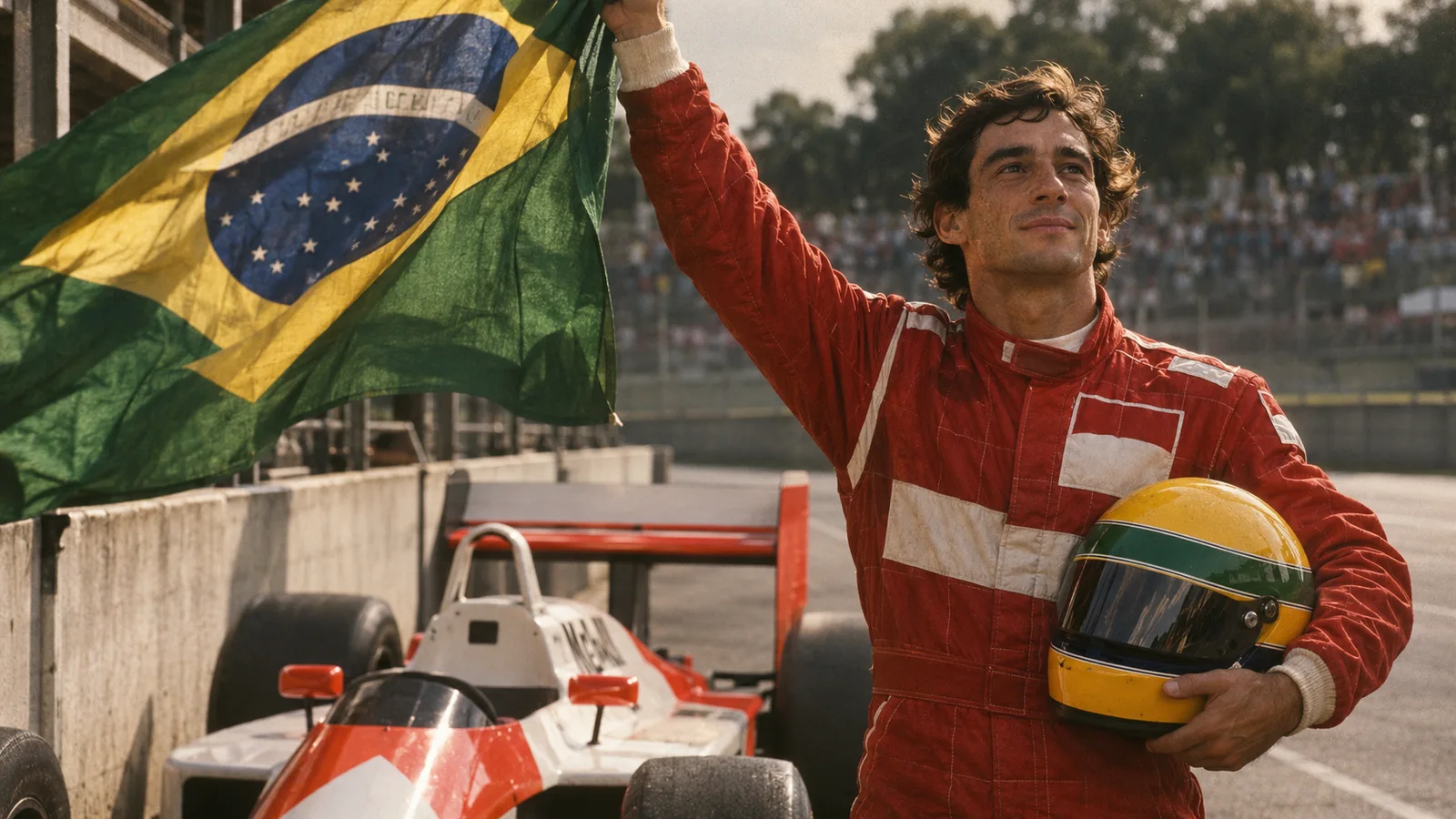
A first Brazilian Grand Prix win at Interlagos and a third world title.
A famous wet-weather victory, a sixth Monaco win, and a final victory for McLaren in Australia.
Roland Ratzenberger dies on 30 April. Senna dies on 1 May, aged 34. Both are remembered.
Viviane leads the creation of an institute dedicated to educational opportunity in Brazil.
A GEOGRAPHY OF A LIFE
Schematic map · approximate locations, not a record of individual flights. Nearby European places overlap at this scale; use the selector to explore each.
The city where Ayrton was born. Interlagos connects his early karting to his first home Grand Prix victory in 1991.
Read the chapter ↗The first British chapter: Formula Ford, a move away from home, and the beginning of a career in European single-seaters.
Read the chapter ↗Narrow streets between the hills and the sea. The place of his 1984 breakthrough, his 1988 pole and mistake, and six Grand Prix victories.
Read the chapter ↗Near Lisbon on Portugal’s Atlantic coast. Here, heavy rain framed Senna’s first Formula One victory in April 1985.
Read the chapter ↗A technical figure-of-eight circuit where brilliance and controversy repeatedly met. The title story of Senna and Prost cannot be told without it.
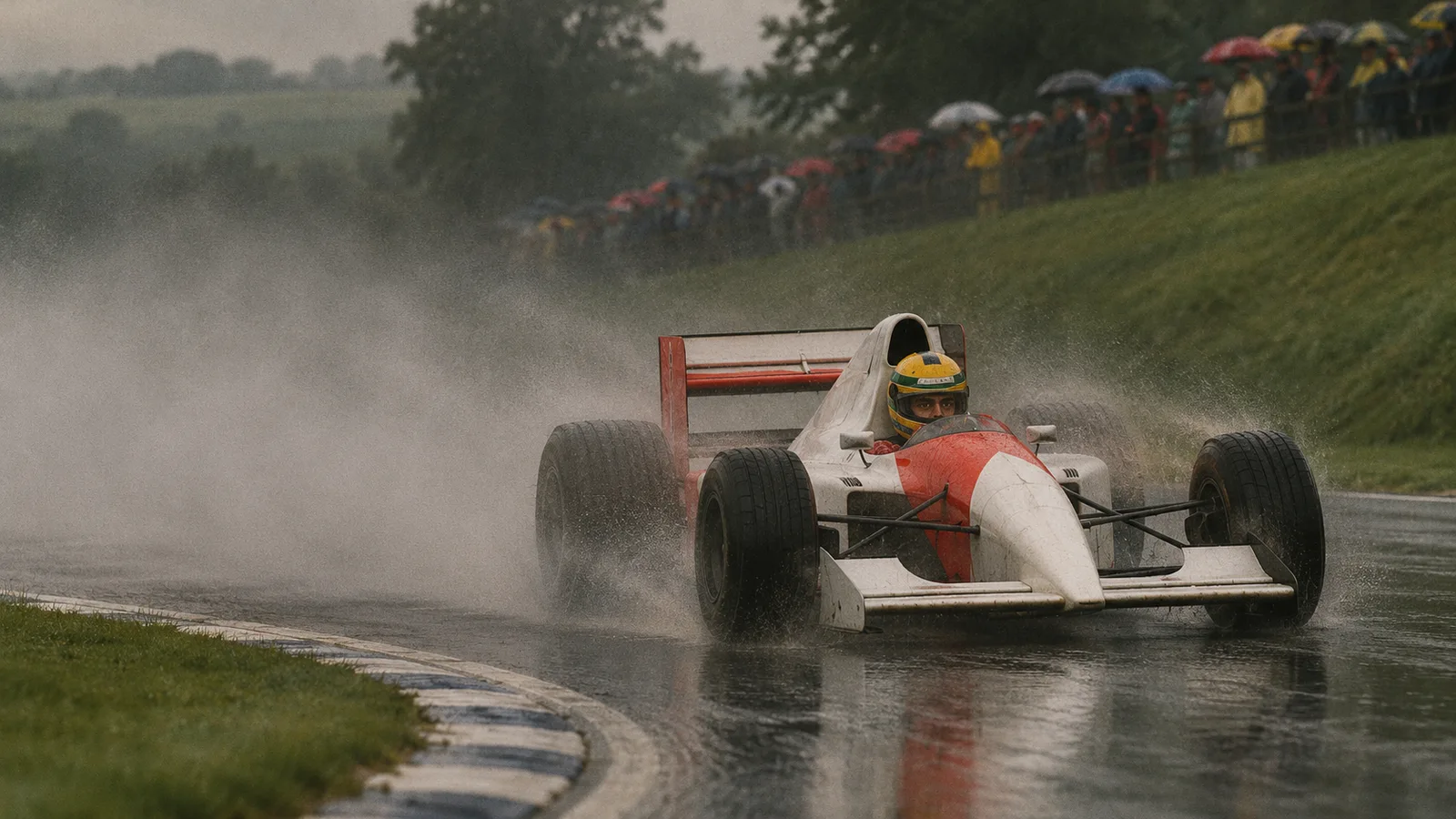
Read the chapter ↗The rolling Leicestershire circuit hosted the 1993 European Grand Prix. A wet opening lap became one of Senna’s most celebrated performances.
Read the chapter ↗The Autodromo Enzo e Dino Ferrari. The events of 30 April and 1 May are remembered here with the names of both Roland Ratzenberger and Ayrton Senna.
Read the chapter ↗MOMENTS, PEOPLE & PERSPECTIVES
The rain master
Estoril, 21 April 1985
Speed & consequence
Monaco, May 1988
The rivalry
Alain Prost & Ayrton Senna
A victory for home
Interlagos, 24 March 1991
The opening lap
Donington Park, 11 April 1993
Beyond the cockpit
Family, friendship & faith
AN OPEN DOOR INTO THE SPORT
A tyre can brake, turn and accelerate only within the grip available at its contact patch. Ask too much of two things at once and it slides. Water lowers that limit and makes it less predictable. Drivers search for grip off the polished dry line, change braking points, and feed power in carefully. Rain tyres use grooves to move water away. None of this makes visibility or aquaplaning safe: mastery has limits.
Pole position is the first starting place, earned through qualifying. Over a single lap, the driver can use an aggressive setup and commit to braking points with little margin. A race adds traffic, fuel, tyre wear and changing conditions. Senna’s 65 poles describe exceptional single-lap speed; his Monaco 1988 crash reminds us that speed and completing a race are different demands.
Braking transfers load toward the front tyres. Releasing the brake while turning changes that balance again. The driver needs enough front grip to point the car into the corner, while protecting the rear from instability. Too much entry speed can compromise the exit and the straight that follows. A lap is a chain of connected decisions, not a collection of independent corners.
These are selected cars, not a complete season-by-season inventory. Power figures varied substantially by specification and boost; we avoid a single misleading number. General mechanical explanations here are educational context, not a reconstruction of Senna’s telemetry.
| Car | Season | Engine | Why it matters |
|---|---|---|---|
| Toleman TG184 | 1984 | Hart turbo inline-four | The Monaco breakthrough |
| Lotus 97T | 1985 | Renault turbo V6 | First victory at Estoril |
| McLaren MP4/4 | 1988 | Honda turbo V6 | First championship |
| McLaren MP4/6 | 1991 | Honda V12 | Third championship; home victory |
| McLaren MP4/8 | 1993 | Ford V8 | Donington and final McLaren year |
| Williams FW16 | 1994 | Renault V10 | The last, unfinished chapter |
Three world championships (1988, 1990, 1991), 41 Grand Prix wins, 65 poles and 80 podiums. Honda’s career record is our reference for these totals. Cars, reliability, teammates and the rules of an era shape every statistic. In 1988 only the best eleven results counted toward the drivers’ title: comparing raw points without that rule changes the meaning of the season.
Sources & methodology ↗